Resources
Search below for resources covering the intersection of climate engagement, social science and data analytics.
RESULTS
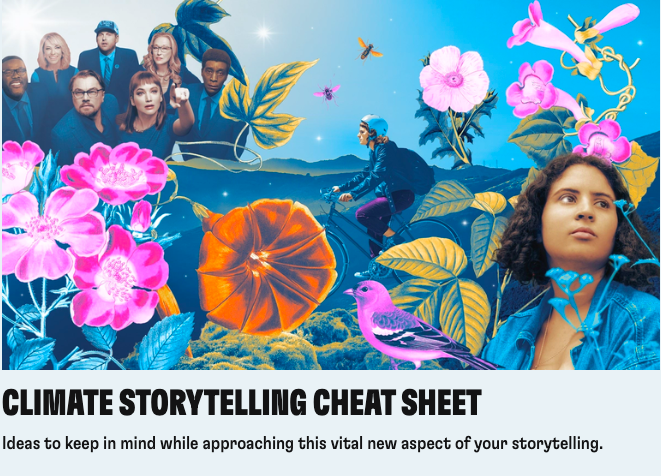
Good Energy is a story consultancy for the age of climate change which knows that facts don’t change people—stories do. This webpage exists to support writers in portraying the climate crisis in any storyline, across every genre, to create relevant, authentic, and, above all, entertaining stories. Good Energy’s webpage includes many resources for facilitating telling more climate stories, such as “Climate character psychology,” “Climate storytelling cheat sheet,” “The villain’s backstory,” and many more.
Who are you talking to? The audience of an op-ed
When writing an op-ed, you need an audience who is open to change and willing to drive a narrative out to other people. Your base, including activists and members, may be part of your audience, but op-eds typically try to find an audience beyond your base. Identify this audience by doing the following: clarify the people who have the ability to take action and change behavior based on the argument you want to make, get to know them and meet them where they are, learn how they most effectively communicate, and get their feedback. This resources describes the op-ed writing experience of the Ella Baker Center for Human Rights (EBC), an Oakland-based organization focused on organizing power in communities of Black, Brown and low-income people, when running police reform campaigns in Alameda County. This article also lists many other resources to check out for the various steps in the op-ed development process.

The 2022 Tools & Tech Guide
State Voices' 2022 Tools & Tech Guide has the latest digital tools and vendors, including texting services, cell-compliant dialers, digital organizing, online fundraising, relational organizing, digital marketing, advocacy, and bill tracking. This resource is the result of multi-year research from State Voices' Data and Technology Department. You can also learn more about technology recommendations for essential items like office chairs, laptops, webcams, docking stations, headphones, scheduling tools, computer monitors, and security software.

2021 Climate Solutions Narrative Trends
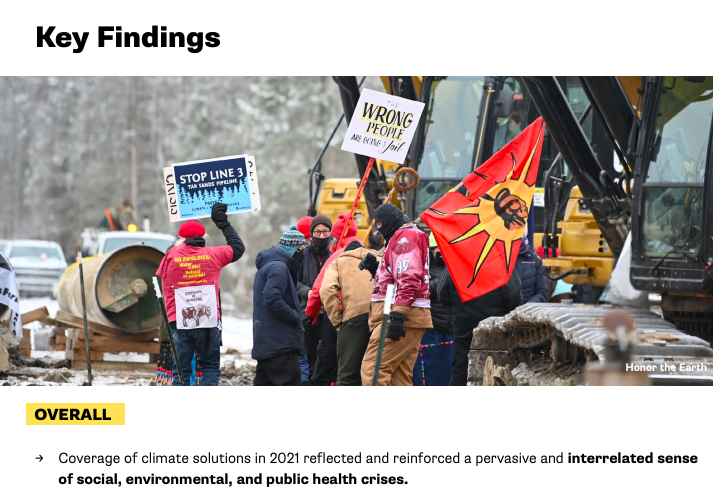
Coverage of climate solutions in 2021 reflected and reinforced a pervasive and interrelated sense of social, environmental, and public health crises. Coverage seems to accurately describe the origin of the many natural disasters that marked the year: of 1,431 instances of messaging about natural disasters, 65% linked the cause to climate change. Across coverage of renewable energy, water, and food systems, when a person was referenced or quoted in an article, it’s more likely that person was a woman. This suggests that media covering climate solutions is equitably reflecting women spokespeople. Across the issue areas covered in this report, articles that mentioned communities of color were slightly more likely to focus on solutions than articles that did not. In 1,418 articles that referenced communities of color, 50% focused on solutions; in 5,785 articles that did not mention communities of color, only 46% focused on solutions. Natural disasters, along with the ongoing COVID-19 pandemic, provided opportunities for advocates and lawmakers to highlight needed policy and infrastructure changes, especially because these crises disproportionately affect frontline communities, in particular, Black and Indigenous Americans.
Tipsheet: The Nine Building Blocks of an Evidence-Based Campaign Plan
When it comes to running a campaign that will build power, persuade targets, and win, the first and most important step is to design for success. Here are nine essential considerations for how to design a campaign plan that “considers the evidence” at each step of the planning process. And remember: it’s not a plan unless it’s written down! Includes guidance on:
- Developing a guiding vision and set of values for the campaign
- Selecting the right targets to pressure and influence
- Integrating equity into every step of the planning
- Developing a strong audience-centered communications strategy
- And more!
2021 Redford Center Stories “Best Of” Montage
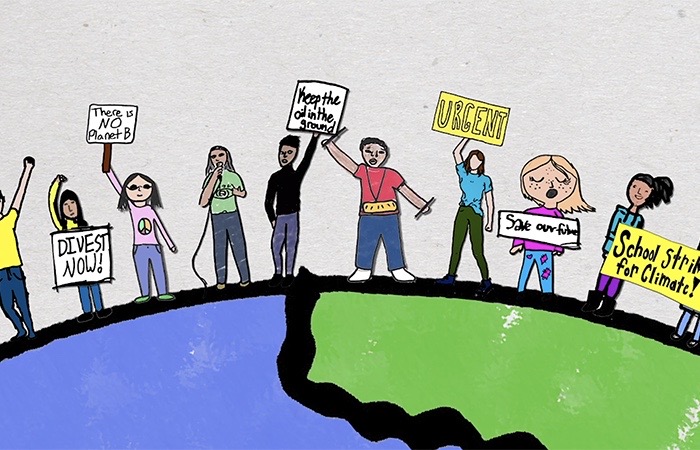
Listen to the youth. This montage of some of the 400 short films submitted for annual youth filmmaking challenge is an urgent call for climate justice. Speaking in plain language and using simple-yet-creative graphics, these youth offer a fresh perspective on the climate crisis. Many of their messages are about what can be achieved through working together. Their honesty, directness and positivity have the potential to compel a wide variety of audiences to join them.
Voters Want to See More Climate Coverage in the Media
A Sept. 11-14 poll of likely voters nationally has found strong demand for more media coverage of climate change and its impacts on events like extreme-weather hazards. Some highlights:
- Only 39% of voters hear about climate change at least once a week in the media compared to 45% who say they hear about natural disasters in that timeframe
- 59 percent say they follow climate change somewhat or very closely in the news (69% of Democrats, 59% of Independents, 51% of Independents)
- 77% say it is important for the news to attribute extreme weather events to climate change (48% very important)
- This includes 88% of Democrats (65% Very Important), 71% of Independents (40% Very Important), and 68% of Republicans (33% Very Important)
- 71% say they want to hear the news tell them if climate change is worsening an extreme weather event, including 66% of Republicans
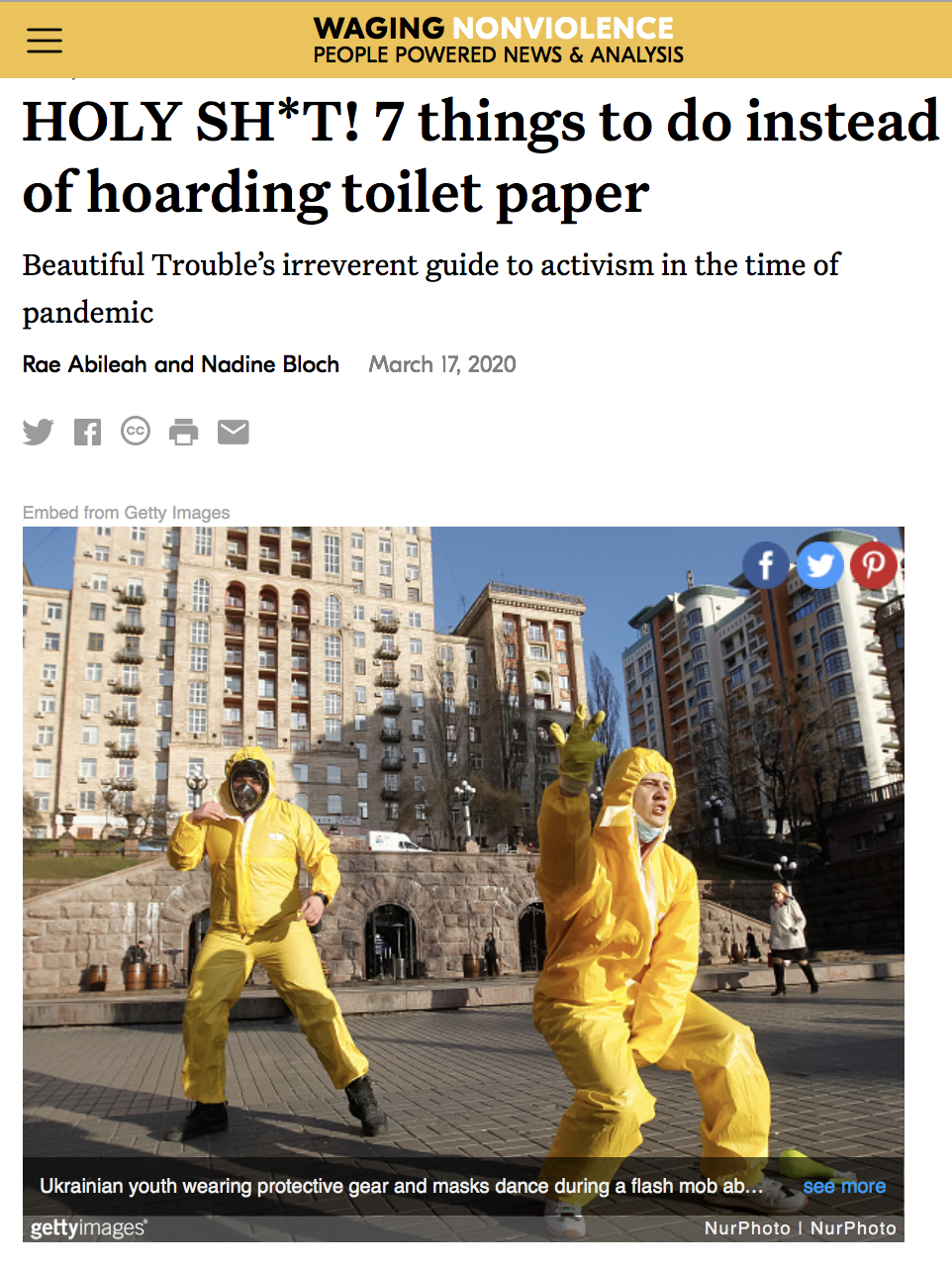
HOLY SH*T! 7 Things To Do Instead Of Hoarding Toilet Paper
This irreverent guide to activism in the time of pandemic offers a roundup of the most creative and effective social movement responses to COVID-19, filtered through seven of the most relevant tools from the Beautiful Trouble toolbox, with links to resources compiled especially for this moment.
How broadcast TV networks covered climate change in 2019
The volume of climate change coverage on the corporate broadcast nightly and Sunday morning news shows increased 68% from 2018 to 2019.
Renewable Energy Narrative Analysis: January–December 2018
This report looks at how the media covers renewable energy with a specific focus on the extent to which it quotes women as spokespeople, references issues of equity, or talks about communities of color. The report also provides baseline data and metrics against which to measure the impact of the diversity of leaders advancing clean energy realities ("women as well as men, communiteis of color as well as white, male entrepreneurs in Silicon Valley") and to track their progress over time.